The Quiet Strategists: How Introverts See What Others Miss
“In a culture that rewards volume, remember: there’s zero correlation between being the best talker and having the best ideas.” — Susan Cain
Observation as Power
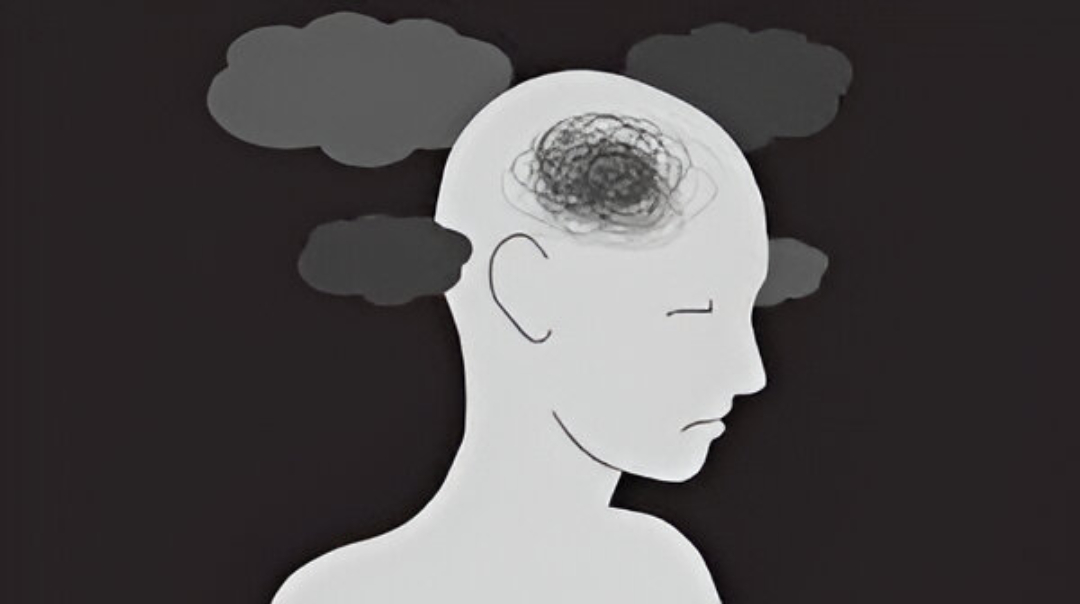
Most of the world is attuned to what’s loud: bold claims, quick replies, grand gestures. Introverts, however, win in the margins. They specialize in registering what others gloss over an eyebrow twitch, a faltering note in a speech, the tone that follows the words. Modern neuroscience studies using EEG and ERP technologies have revealed that introverts actually heighten their sensitivity, focusing more deeply on environmental cues, facial micro-expressions, and nuanced signals. This isn’t mere folklore: a 2025 review published on “Science of People” detailed that experts in micro-expression decoding improve accuracy dramatically when encouraged to slow their attention just fractions of a second something introverts excel at due to their lower baseline of cortical arousal and reduced craving for external stimuli. This subtle, almost meditative watchfulness allows quiet strategists to build richer internal maps of people and situations giving them a fluid advantage in reading rooms, negotiations, and conflicts before others even realize something shifted.

Cognitive Depth
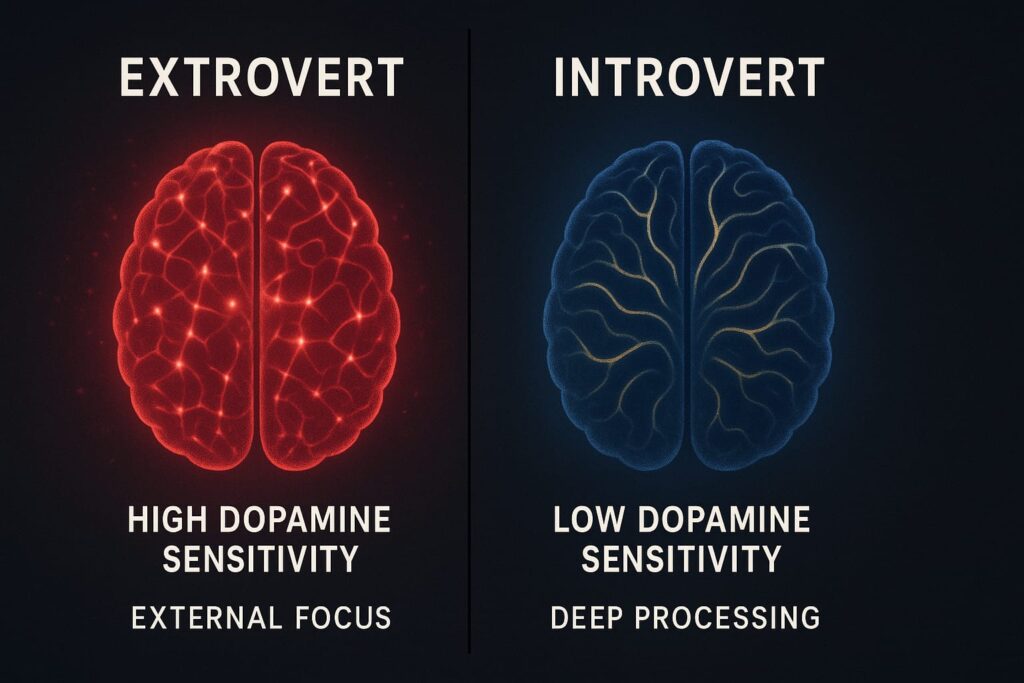
Introverted brains literally run deeper. Functional MRI and structural studies have shown more active and thicker gray matter in prefrontal cortex regions~key for long-term planning, moral judgment, and complex pattern recognition in introverts compared to extroverts. This aligns with their temperament-level sensitivity: introverts use dopamine circuits less, leading them to avoid environments overloaded with novelty or sensation, but they benefit from acetylcholine-a neurotransmitter underpinning calm, internal attention and the classic “flow” state. The upshot is not quickness, but depth. Introverts naturally take time, constructing multi-layered models and weaving together disparate facts, observations, and intuitions.
Cognitively, this manifests as higher performance on tasks that require synthesis and abstract reasoning. In 2023, a Forbes analysis identified a correlation between introversion and intelligence, particularly in professions where original thought, not just reactive smarts, determined advancement. This “slowness” is not a flaw; it’s a strategic buffer against group-think and impulsivity, letting introverts see structural connections sometimes far ahead of the curve.
Social Strategy
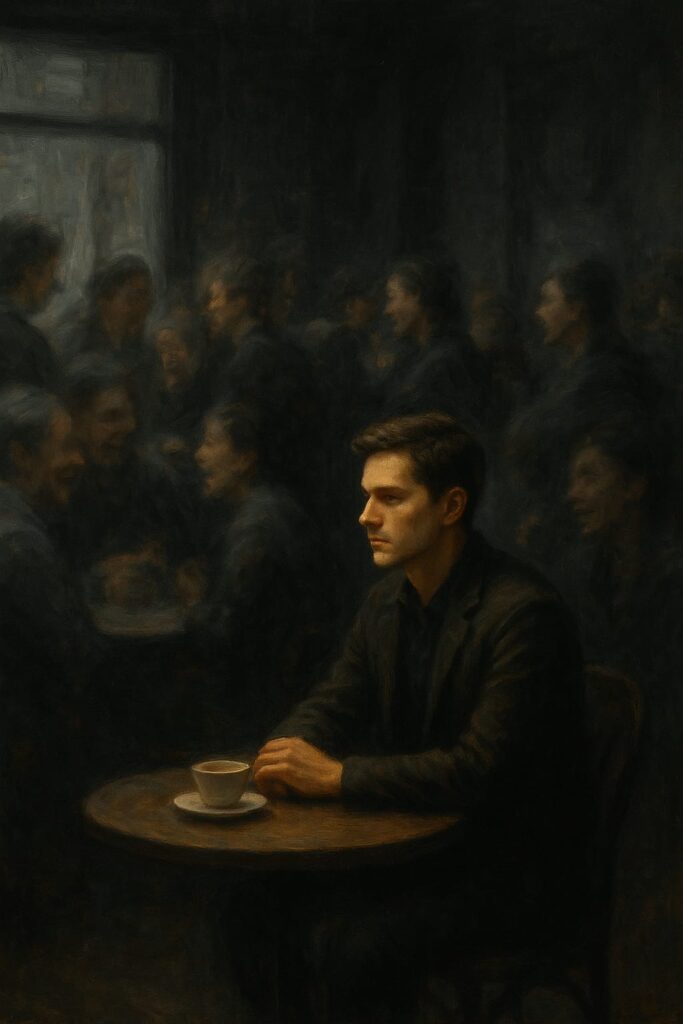
In social contexts, introverts seldom vie for dominance. But what appears as passivity to an extroverted observer is often tactical patience. Introverts tend to observe team dynamics before acting, often steering with pointed questions, written insights, or quiet nudges when it matters most. A Harvard Business Review study found proactive teams full of new ideas thrived best under introverted leaders, who amplified group strengths by stepping back and only intervening once the big picture became clear.
Adecco’s 2023 report calls such individuals “quiet influencers”: instead of competing for airtime, they select the when and how for maximum effect, sometimes reshaping group decisions in a single, timely intervention. Written channels emails, memos, strategy docs are preferred not for avoidance, but to preserve clarity and control nuance, two traits that flourish outside the interruptions and friction of spoken debate.
Creative Reservoir
Why do so many paradigm-shifting ideas emerge from solitude? Across centuries, from Newton’s plague-era breakthroughs to today’s top-performing software engineers, genuine solitude remains core to big thinking. The Washington Post’s 2024 brain-health report reveals that intentional solitude activates the brain’s default mode network facilitating creativity, emotional regulation, and future-planning. A 2024 study with 295 undergraduates reaffirmed this: those with higher solitude preferences produced more creative work in diverse fields.
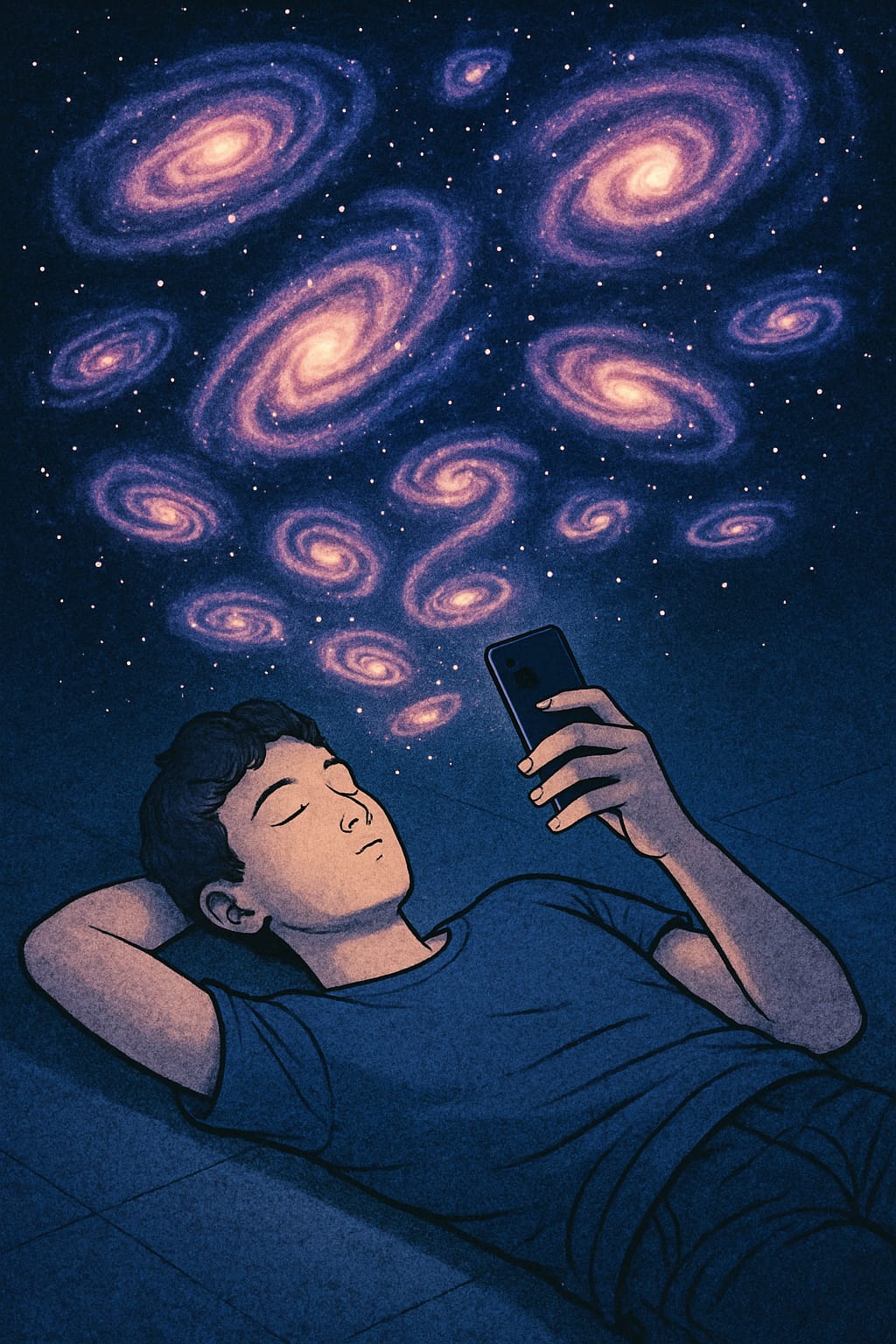
For introverts, solitude doesn’t mean social loss; it’s psychological necessity. It’s the fertile mental ground where disparate threads intertwine, un-pressured by scrolling feeds or meetings. This depth explains why periods of isolation often precede creative leaps in literature, science, and even entrepreneurial strategy.
Hidden Influence
History is noisy with extroverted victors, but the roots of change often run silent. Einstein, famously solitary, iterated relativity in a patent office cubicle. Bill Gates orchestrated a global software regime with minimalist public persona but maximal technical leverage. Elon Musk self-identified introvert dictates the future of multiple industries not by sheer charisma, but through focused engineering and strategic, deliberate communications. In the literary and fictional world, characters like Kiyotaka Ayanokoji (“Classroom of the Elite”) echo real cognitive types: presence marked by absence, influence revealed in outcomes not arguments.
A 2023 neuroscientist’s breakdown for CNBC classified introverts as especially adept at “future scenario building” the stuff of strategists and planners thanks to their ability to sustain complex, branching models in private thought. This is not armchair theory; major companies now train and promote “quiet influence” as a core leadership trait for uncertainty, placing introverts at the core of strategic decision-making.
The Silent Playbook: Practical Tactics
- Lengthen Your Look: Before contributing, introverts benefit from letting collective conversation evolve, extracting more actionable information from group patterns and contradictions.
- Hardwire Solitude: Prioritize short breaks for deep, uninterrupted thought even in open offices. This nurtures acetylcholine and creative flow.
- Be Surgical with Insights: Save interventions for decisive points: a single phrase, written summary, or direct question can shift a strategy more than hours of talking.
- Use Written Power: Lengthy emails, memos, or technical comments let introverts nuance, clarify, and build lasting records of intent channels where their detail orientation wins.
- Guard Dopamine: Limit overstimulating environments; downtime and low-stimulation hobbies (reading, walking, reflective note-taking) recharge the uniquely introverted brain for its deepest analytical feats.
Conclusion: The Unseen Edge
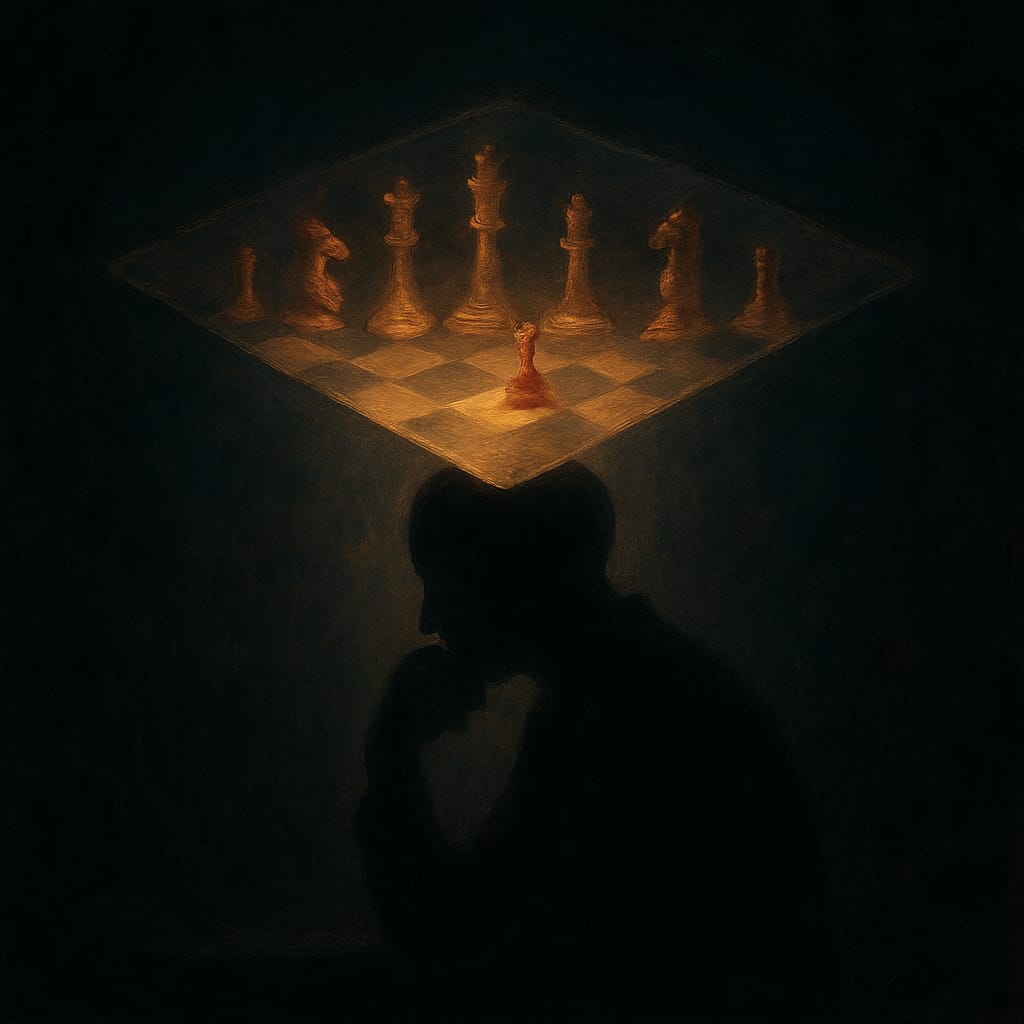
The introvert’s edge is not in volume, but in vision the ability to notice, synthesize, and strategize across silences. Sciences corroborate what centuries of philosophy already sensed: solitude, observation, and restraint are less weaknesses than covert sources of power. In an economy and culture chasing louder, faster, more, it is often the quiet strategist who prepares the unseen play the one that unexpectedly wins the game.
In a world awash with noise, power accrues to those who also know how to listen and then move, precisely, when others aren’t watching.
— Written by Shivam Shukla.