The Psychology of Power: How Invisible Authority Shapes Every Room You Walk Into
“True power isn’t declared it is felt in the silence, owned by presence, and recognized in the space others instinctively give you.”
Walk into any room conference hall, living room, subway car and before a single word is spoken, the pecking order has already been set. Authority is rarely shouted; it hums beneath posture, flickers in eye contact, and slips invisibly through every calculated pause. In a world addicted to noise, the most reliable power is often silent alive in signals most miss, but none escape.
The Cold Reality of Invisible Power
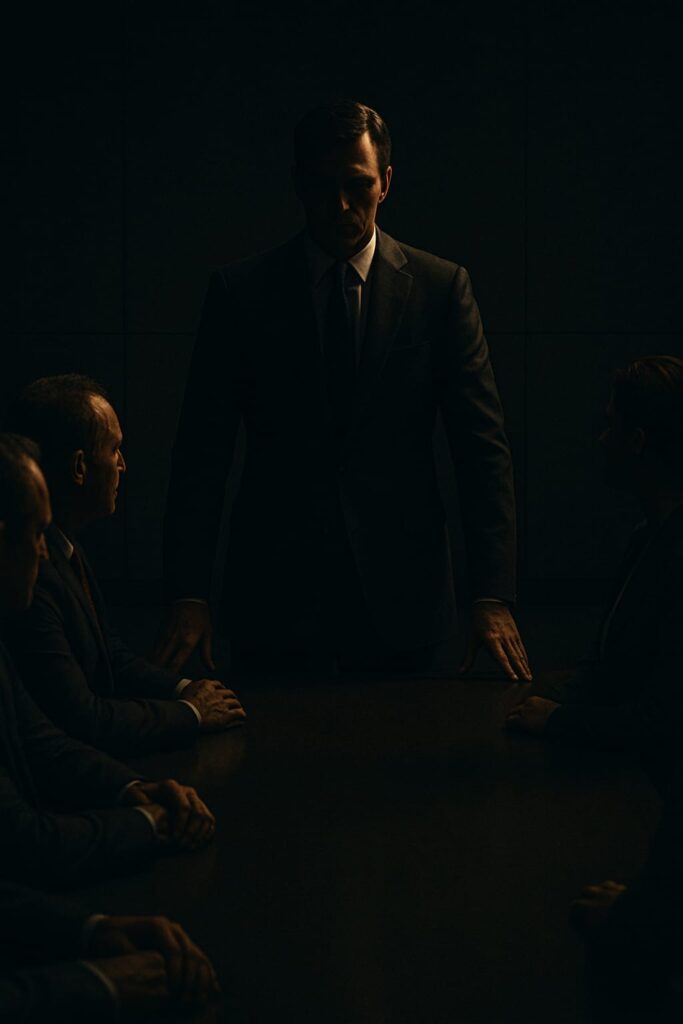
Psychological studies reveal: power quietly rewires perception, behavior, and interaction long before anyone claims it out loud. Psychologist Adam Galinskyʼs research at Columbia proves that higher rank correlates with increased confidence and lower empathy, making powerful individuals less able to read othersʼ emotions. The chilling effect? Rooms subtly orient around those who project authority, while the powerful become less attuned to the emotional current of the crowd.
Power isnʼt just about control. Itʼs encoded in how you take up space, the way you move, and the silent cues you choose to send. Most hierarchies crystallize in minutes and the unspoken choreography of authority determines who leads and who follows.
The Science of Status: Reading Authority Without a Word

Status cues shape first impressions and ongoing influence. Hereʼs what the research exposes:
- Posture: Upright stance, shoulders back, expansive gestures. Studies confirm: taking up more space correlates with perceived dominance and confidence.
- Eye Contact: Direct, steady contact signals control. Shifting or avoiding gaze telegraphs subordination or deception. Too much, and it becomes a threat; too little, you vanish.
- Pausing and Silence: Those with status pause before acting, letting silence work for them. Itʼs a sign of composure and signals that their time and words matter.
- Touch and Proxemics: Initiating handshakes, lightly tapping someoneʼs shoulder, or occupying central spaces sends immediate signals of who owns the moment.
- Micro expressions and Gestures: Raised chin, controlled blinking, hands steepled confidently these subtleties are recognized unconsciously as markers of high status.
Status signaling seeps into appearance too every choice in clothes, accessories, even a coffee brand, whispers identity and intent.
The Strategy: Projecting Authority Anywhere
Want to own a room without uttering a word? Follow this tactical playbook, supported by psychological evidence:
- Enter Deliberately: Walk in with slow, purposeful steps. Donʼt shrink let your body claim space without crowding others. Stillness is power; fidgeting is submission.
- Hold Your Posture: Plant your feet shoulder-width apart, keep your back straight, chin parallel to the floor. Relax your shoulders tension telegraphs anxiety.
- Master the Gaze: Use firm, but not aggressive, eye contact to connect. Hold someoneʼs gaze longer than feels comfortable then look away slowly, signaling control.
- Dominate With Stillness: Minimize unnecessary movement. When you do gesture, make it intentional and slow. Nodding, steepling fingers, and open hands all add weight.
- Strategic Silence: In conversation, donʼt be afraid to let silence hang. Others will rush to fill it, unconsciously conceding the lead to you.
- Mirroring Selectively: Subtly mirror dominant figuresʼ body language, but only after establishing your own presence sudden mimicry telegraphs weakness, but congruent movement builds rapport.
- Exit Like You Matter: When itʼs time to leave, stand slowly, gather your belongings without haste, and walk out with the same composure you entered. Make a final, brief eye contact or a small nod people will remember how you left more than what you said.
- Signal With Decision: When you do act shake hands, take a seat, or pick up an object move with intention and donʼt hesitate midway. Indecision dilutes authority.

Invisible power flows from and returns to the group. Every room is a battlefield of microsignals, negotiating who sets the temperature and who follows. The most influential rarely bluster or boast; they shape the air invisibly, leaving a mark that outlasts the room itself.
Learning to read and project these cues isnʼt trickery itʼs strategy. It is how hierarchies are quietly forged, leadership is silently claimed, and every room is reshaped before the first word. Power, after all, isnʼt always visible to the eye but itʼs always felt in the marrow.
— Written by Shivam Shukla.