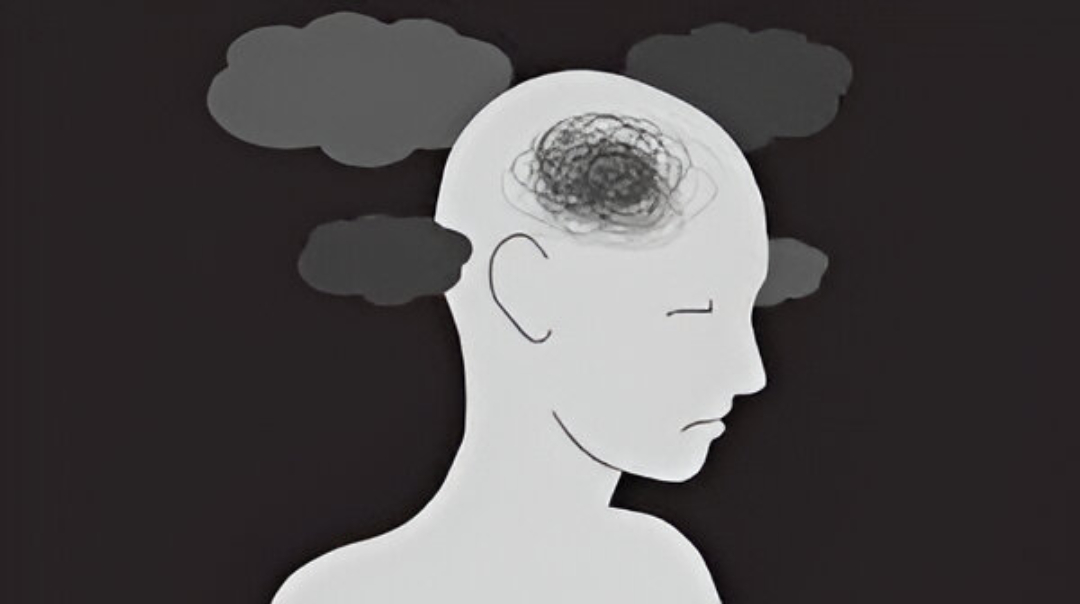
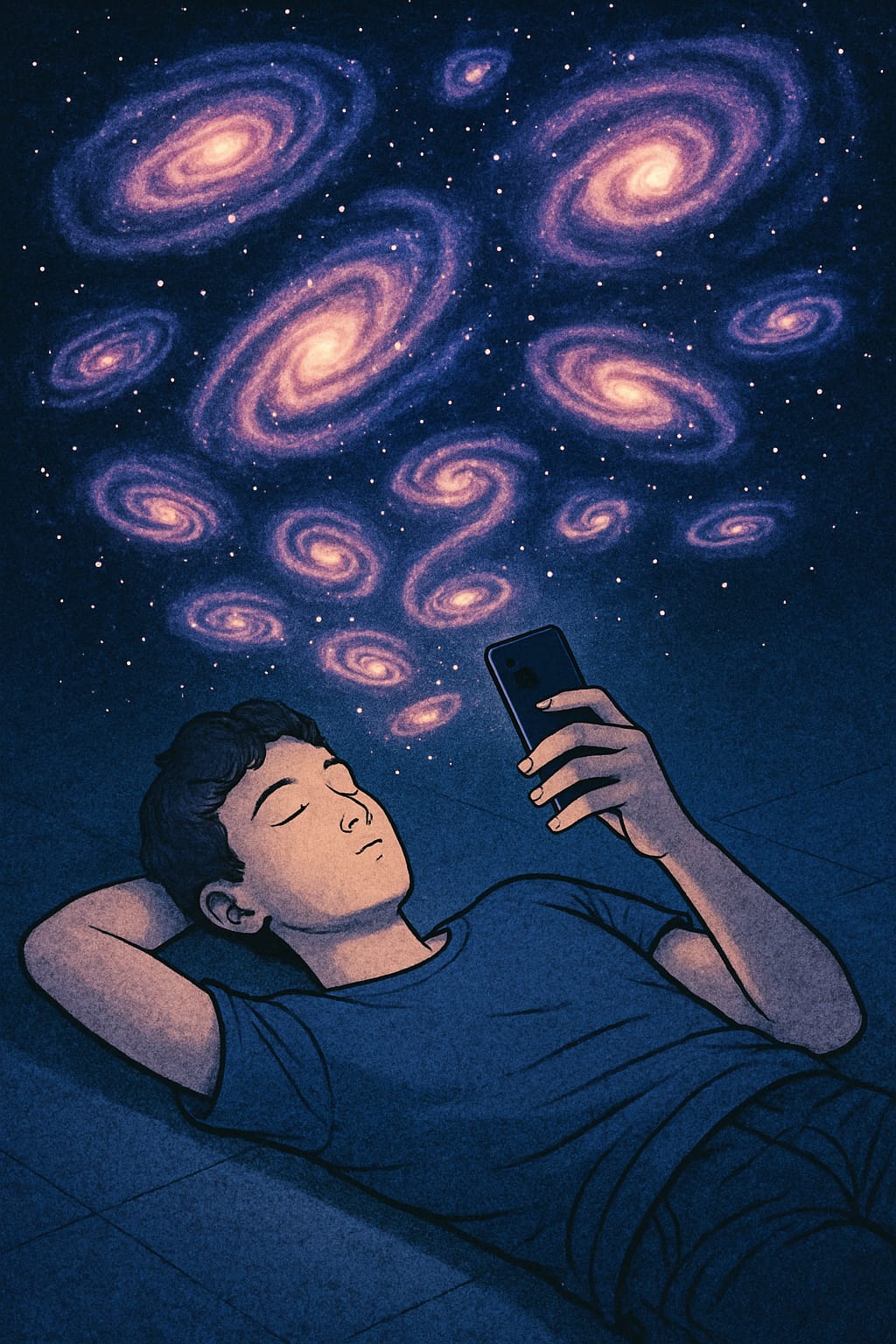
Generation Swipe: The Death of Patience Before It Even Begins.
“Creativity suffocates when the brain expects a plot twist every three seconds.”
The dopamine economy: how feeds train the brain
Short-form feeds are precision-engineered to spike the Mesolimbic reward system,the ventral tegmental area and nucleus accumbens via variable rewards (likes, novel clips, unpredictable payoffs), producing dopamine-driven reinforcement loops analogous to behavioral addiction. Neurophysiological reviews show frequent social media use alters reward circuitry and is associated with reduced reward sensitivity over time, a hallmark of addiction patterns observed across behavioral and substance use disorders. Early neuroimaging work confirms that personalized, short-video streams (e.g., TikTok) activate reward and attention networks in a way that sustains engagement through rapid novelty. The net effect is simple and brutal: the brain learns to crave immediacy, resist delay, and abandon effortful cognition as soon as friction rises.
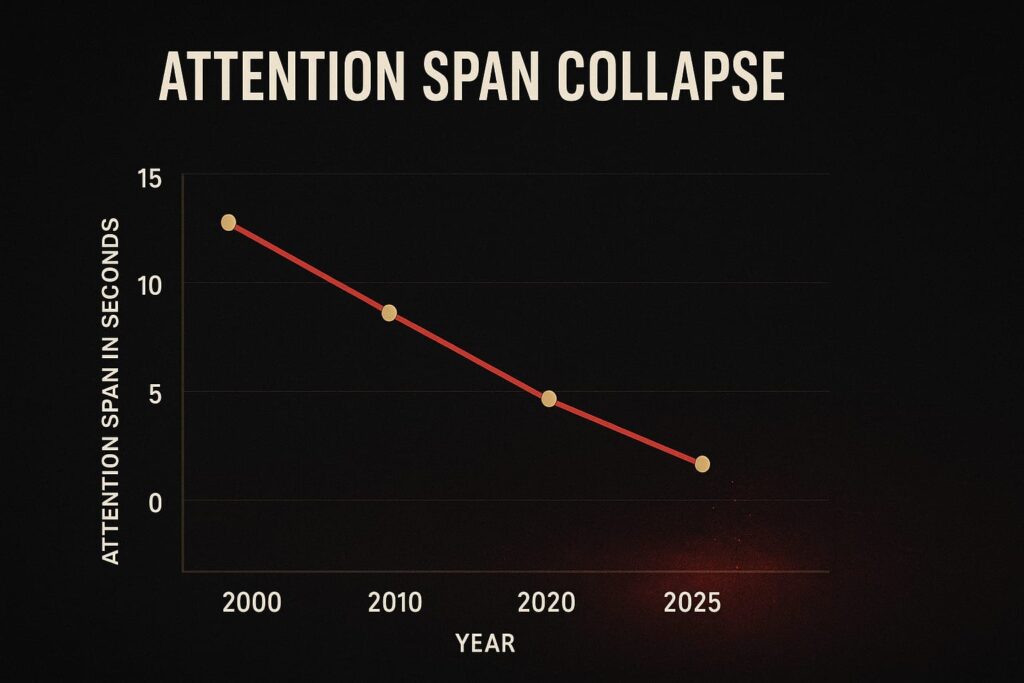
From swipe to “Brainrot”: attention span collapse
Evidence is converging that heavy short-form consumption corrodes sustained attention, executive control, and boredom tolerance. An open-access synthesis links excessive social media to degraded cognitive function and reduced attention span, mirroring features of addictive reinforcement cycles that shorten the mind’s time horizon. Experimental and survey based studies on short-video addiction report diminished self-control and executive control among heavy users, consistent with difficulty engaging in deep, linear tasks. Small but telling studies focused specifically on short-format social media consumption find significant correlations between time on short-form content and increased difficulty sustaining focus on long-form tasks like reading or studying, reinforcing what many feel subjectively as “Brainrot.” The consequence is cultural: the mind that expects a dopamine pop every few seconds abandons books, lectures, long conversations and eventually, complex thought.
Gen Z in the blast radius and kids before they can walk
Usage data shows a generational skew: teens and young adults spend the most time on screens, and heavy-use cohorts are growing fast. In the United States, average entertainment screen time among teens rose from roughly 6 hours 40 minutes in 2015 to 8 hours 39 minutes in 2021, while the share reporting more than eight hours per day jumped from 29% to 41% between 2019 and 2021. Nearly half of U.S. teens say they are online “almost constantly,” with YouTube, TikTok, Instagram, and Snapchat dominating daily life, intensifying exposure to shortform loops. This is not just about teens: pediatric and developmental research links early screen exposure to measurable effects in attention-related brain rhythms and later executive function.
In a longitudinal cohort following children to age nine, more infant screen time at 12 months predicted higher theta/beta EEG ratios at 18 months (a pattern associated with inattention) and more attention and executive-function difficulties in school-age testing. The American Academy of Pediatrics advises no screens before 18 months and limited, high-quality media thereafter, acknowledging links with lower language and social outcomes when infants are exposed early or to background TV. The pipeline is clear: if infancy is fed by screens, childhood and then adulthood pays in attention.

Psychological, cognitive, and social costs
The psychological ledger tilts negative: higher compulsive use, increased emotional volatility, and a shrinking capacity for deep focus are common among heavy youth users in cross-national surveys. A report surveying 13–25-year-olds found 68% reported difficulty focusing and struggles with content lasting more than a minute, with researchers highlighting dopamine-driven feedback loops that train constant novelty seeking and degrade sustained attention. Systematic reviews associate excessive screen exposure with poorer language development, impaired executive functioning, and reduced parent–child interaction quality in early years, outcomes that echo later as attention challenges and academic strain. In undergraduates, shortform video addiction correlates with lower self-control and executive regulation, with physical downstream effects like reduced fitness and vision strain symptoms of an always-on, rarely-still lifestyle. Put starkly: the shorter the content, the shorter the mind’s fuse emotionally, cognitively, relationally.
Why boredom matters and why it’s disappearing
Boredom is not dead time; it is the incubator of default-mode processing, autobiographical reflection, and insight. When boredom becomes intolerable, the brain loses an essential training ground for delayed gratification and creative synthesis, defaulting instead to micro-stimulation to avoid discomfort. Over time, this weakens the prefrontal systems that govern planning and impulse control, and it flattens the capacity for narrative thinking critical for learning, empathy, and art.
The future of creativity, learning, and relationships
Creativity demands tolerance for emptiness: long ramps of attention, iterative failure, and gestation without reward. A culture weaned on instant loops trends toward derivative remix over original synthesis, because true invention requires sustained solitude and extended cognitive load. In education, attention economies punish deep reading; learners habituated to rapid novelty struggle with lectures, problem sets, and texts longer than a screen, driving surface-level skimming and cramming cycles. Relationships also compress: eye contact drops, conversational patience thins, and micro-ruptures spike when the nervous system is trained to chase the next hit, not sit with an uncomfortable silence. The endgame is grim: more stimulation,less satisfaction; more scrolling, less story.

Evidence snapshot:
- Average daily entertainment screen time among U.S. teens rose from about 6h40m (2015) to 8h39m (2021); the share over eight hours/day grew from 29% to 41% (2019–2021).
- Nearly half of U.S. teens report being online “almost constantly,” with short-form platforms among the most used.
- Excessive social media use is associated with reduced attention span and impaired cognitive function; short-video addiction specifically diminishes executive control and self-regulation.
- Infant screen time predicts EEG markers associated with inattention and later executivefunction problems; AAP recommends no screens before 18 months.
- Neurophysiology reviews describe dopamine-pathway alterations from prolonged social media use, paralleling behavioral addiction dynamics.
How to reclaim attention: hard-mode, evidence-based
This is not a detox weekend; it’s a rewire. The principles are unglamorous, physiological, and effective when done consistently.
1. Friction the feed
Disable autoplay and infinite scroll where possible; install site blockers during work blocks; move short-form apps off the home screen to an app library; switch phone to grayscale to reduce salience all reduce cue-triggered dopaminergic anticipatory spikes. Use browser and OS-level downtime features to force scroll breaks and create interruption costs that disrupt habitual loops.
2. Dopamine base-lining
Design daily low-stimulation windows 30–60 minutes with no phone, notifications, or music to let reward sensitivity normalize; expect restlessness initially as withdrawal from variable rewards. Pair with sunlight, light exercise, and breathwork to stabilize arousal without screens.
3. Rebuild boredom tolerance
Schedule “boredom reps”: commute without audio, queue without phone, shower thoughts with no soundtrack; boredom exposure retrains prefrontal control and lengthens attention spans by reducing novelty dependency. Journal during these windows to convert diffuse thought into reflective narrative.
4. Long-form conditioning
Adopt progressive overload: 10–15 minute reading sprints, then 25–30 minutes, aiming for 60–90 minute deep work bouts; timer plus single-task rule, no window switching. Print long reads or use distraction-free e-ink to lower visual novelty and temptation.
5. Structured social use
Batch social media to two windows per day, 15–20 minutes each; no “grazing.” Replace short-form with long-form video or podcasts when possible to reduce rapid novelty density.
6. Parental guardrails (if applicable)
Follow AAP guidance: no screens before 18 months; co-viewing and high-quality content after; no background TV; device-free meals and bedrooms; shared-space internet use to increase interaction and language exposure. For toddlers and school-age kids, default-on timers and scroll breaks reduce compulsive loops.
7. Sleep as sabotage-proofing
Impose a 60-minute pre-sleep screen curfew; short-form content spikes arousal and delays sleep onset, compounding attention deficits next day. Dock devices outside the bedroom; use a dumb alarm.
8. Replace the reward
Substitute healthy, immediate rewards after deep work blocks: a walk, sunlight, a call, or music train the loop to anticipate real-world dopamine after effort, not before. Over weeks, the reward system recalibrates toward delayed gratification.
What this really means
The cultural clock is speeding up while the human brain isn’t; the mismatch shows up in classrooms, bedrooms, and boardrooms as a quiet incapacity to wait, think, or feel without stimulus. The platforms won’t save anyone, their profits rise when attention falls. Recovery is possible, but it’s manual: turn down the slot machine, turn up the silence, and relearn slowness until the mind stops begging for the next hit.
Final shot
There is no gentle ending here: either attention becomes a garden weeded, watered, and protected or it becomes a strip mine for algorithms that never sleep. Choose what your mind will be used for, or the feed will choose for you.
— Written by Shivam Shukla.