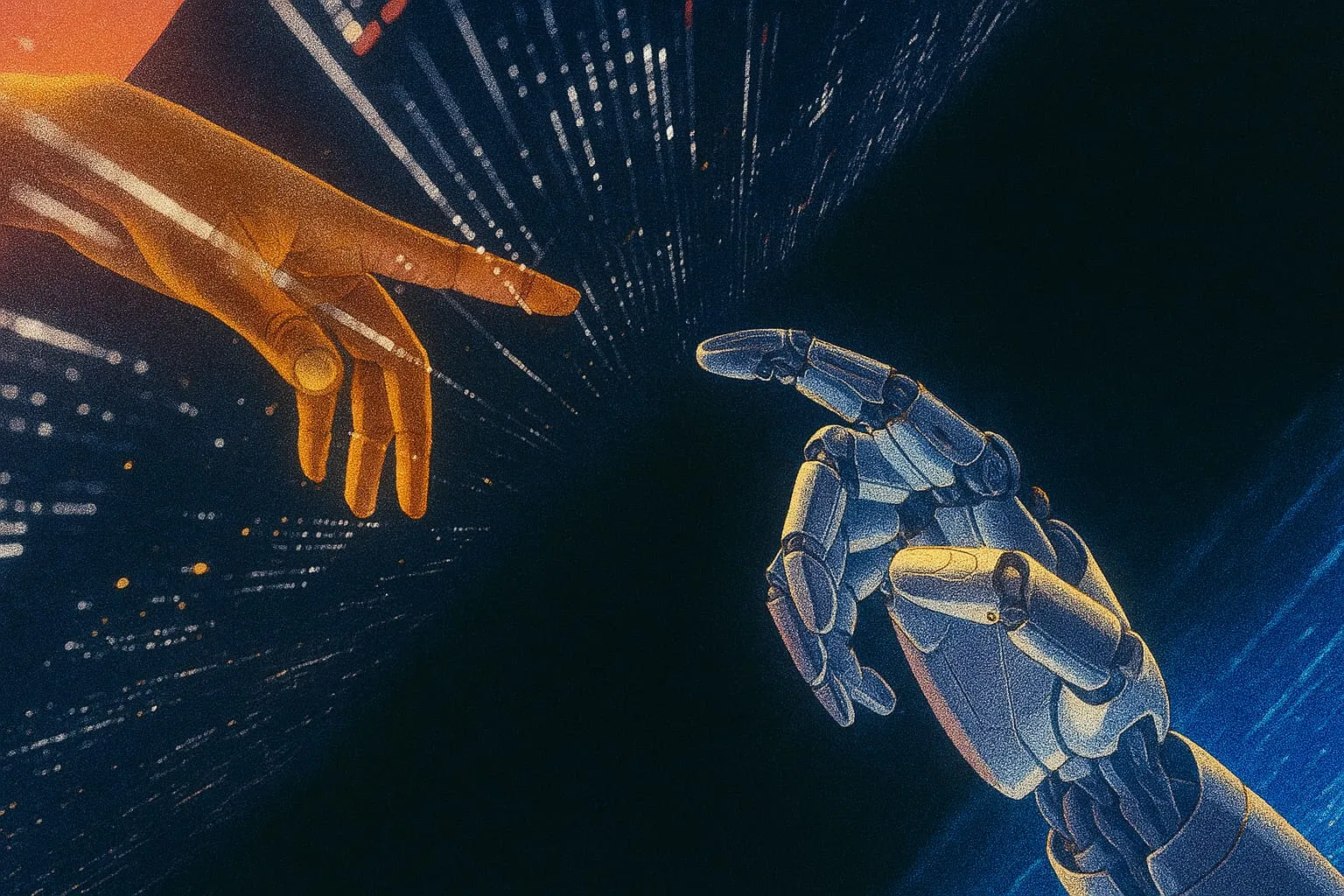
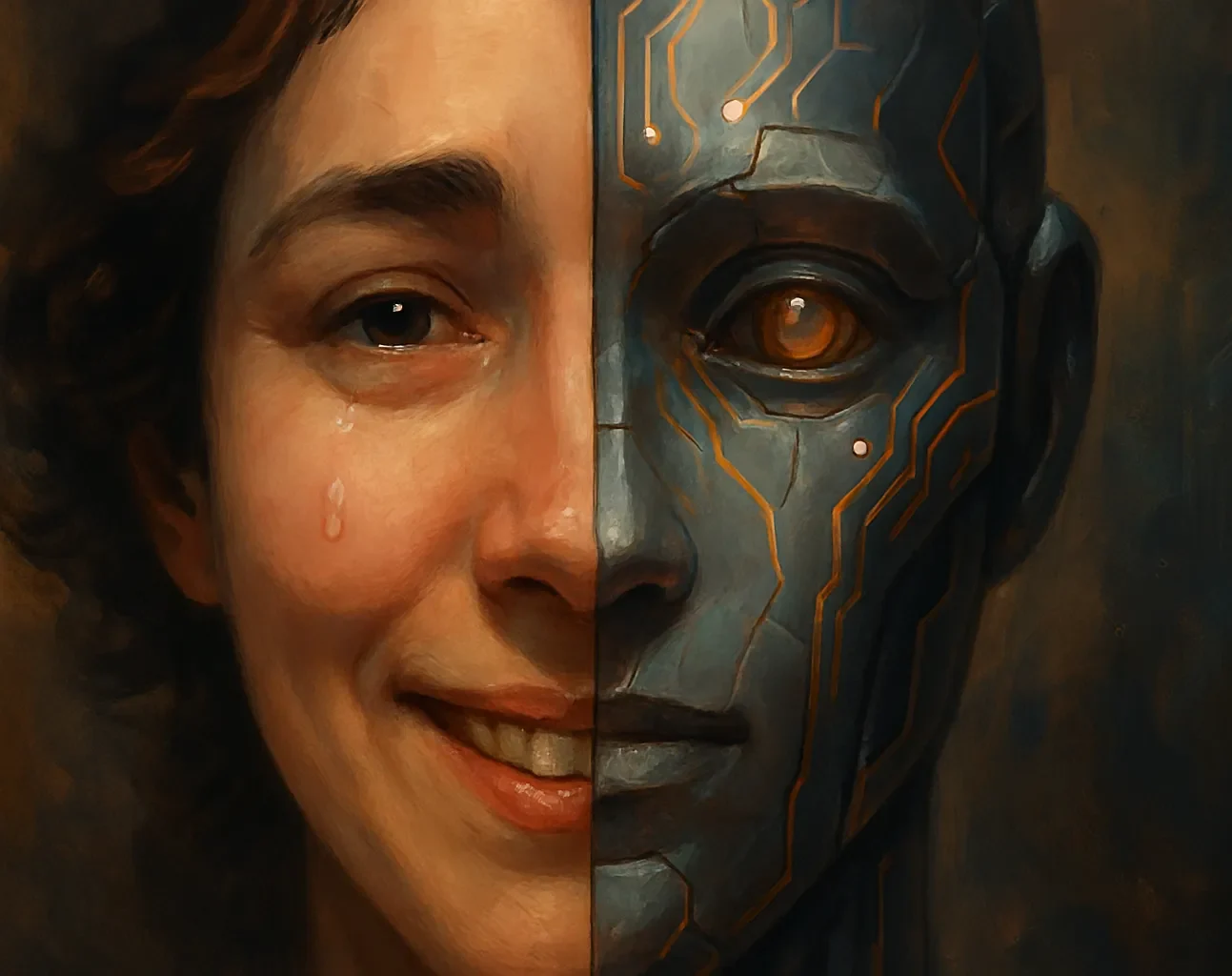
Synthetic Feeds: How AI Content Is Replacing Human Creativity
“The increasing exposure to synthetic media,poses a clear risk of eroding public trust in media-based information.”
AI Slop & Virality
The internet is being carpet-bombed by synthetic media cheap to make, bizarre to watch, perfectly optimized to spread and it’s winning the attention war by sheer volume and algorithmic fit. The market machinery behind it is exploding: estimates put the synthetic media market around $7.7B in 2024 with projections reaching $77B by 2034, a 25.9% CAGR, which tells you this isn’t a fad; it’s an industrial pipeline. On X, researchers tracked 556 unique tweets flagged for synthetic images or video that amassed 1.5B views in just 10 months, with activity spiking after Midjourney V5 launched proof that better generators beget bigger cascades. Most of it wasn’t political; it was the sugar water of the feed: uncanny images, novelty videos, and meme-grade visuals designed to slip past cognition and lodge in the scroll.
Platforms are now dealing with the mess in public. YouTube’s July 15, 2025 monetization crackdown targets the “AI slop” flood mass-produced, low-quality generative content that gamed the system with stock footage, synthetic voices, and auto-music at industrial scale because advertisers (and the platform’s long-term revenue) can’t survive next to an endless slurry of automated uploads. The cat is out of the bag: anyone can manufacture engagement at volume; the platform is just deciding who gets paid.

The Algorithm Feeds Itself
Synthetic content works because it is built for the machine that distributes it. Generators produce endless A/B/C variants; the recommender eats what performs; creators scale supply to match. The loop tightens.
TikTok’s average engagement rate slid from 5.77% in 2023 to 4.64% in 2024 classic saturation dynamics as more semi-automated content competes for the same finite attention. Meanwhile, the platform has tilted toward watch-time and retention, nudging creators (and their AI copilots) to produce slightly longer, stickier cuts; videos over 54s now average 6.7% engagement, a micro-proof that algorithms are quietly rewriting creative form factors in real time.
On X, synthetic media’s prevalence rose with model upgrades, then stabilized around 0.2% of Community Notes small as a percentage, huge in exposure suggesting that the feed’s shape is increasingly determined by generative tools iterating toward viral “fit” rather than human expression reaching an audience. The Reuters Institute notes audiences are now primed for a “flood of synthetic content,” and ironically, trust may consolidate around a few brands that deploy AI “responsibly,” which is to say: still machine-shaped, but with better manners.
Psychological Cost
What does an infinite buffet of optimized content do to a mind? It trains it. AI-assisted posts on short-form platforms are exceptionally good at hooks, trend-riding, and structural consistency, which boosts watch time and engagement especially on TikTok and Instagram yet they often under-perform at conversational warmth and emotional nuance compared to human-crafted posts. The net effect is numbing: highly tuned pace and predictability keep viewers scrolling while starving them of the messiness that makes ideas memorable.
Engagement declines at platform scale hint at a macro fatigue Brainrot as a service where the feed remains sticky but less satisfying, and creators are pushed to automate more to keep up with machine-calibrated distribution. As one feedback loop optimizes for attention, another deoptimizes for meaning. We become connoisseurs of texture-less sensation.
The Cultural Crisis
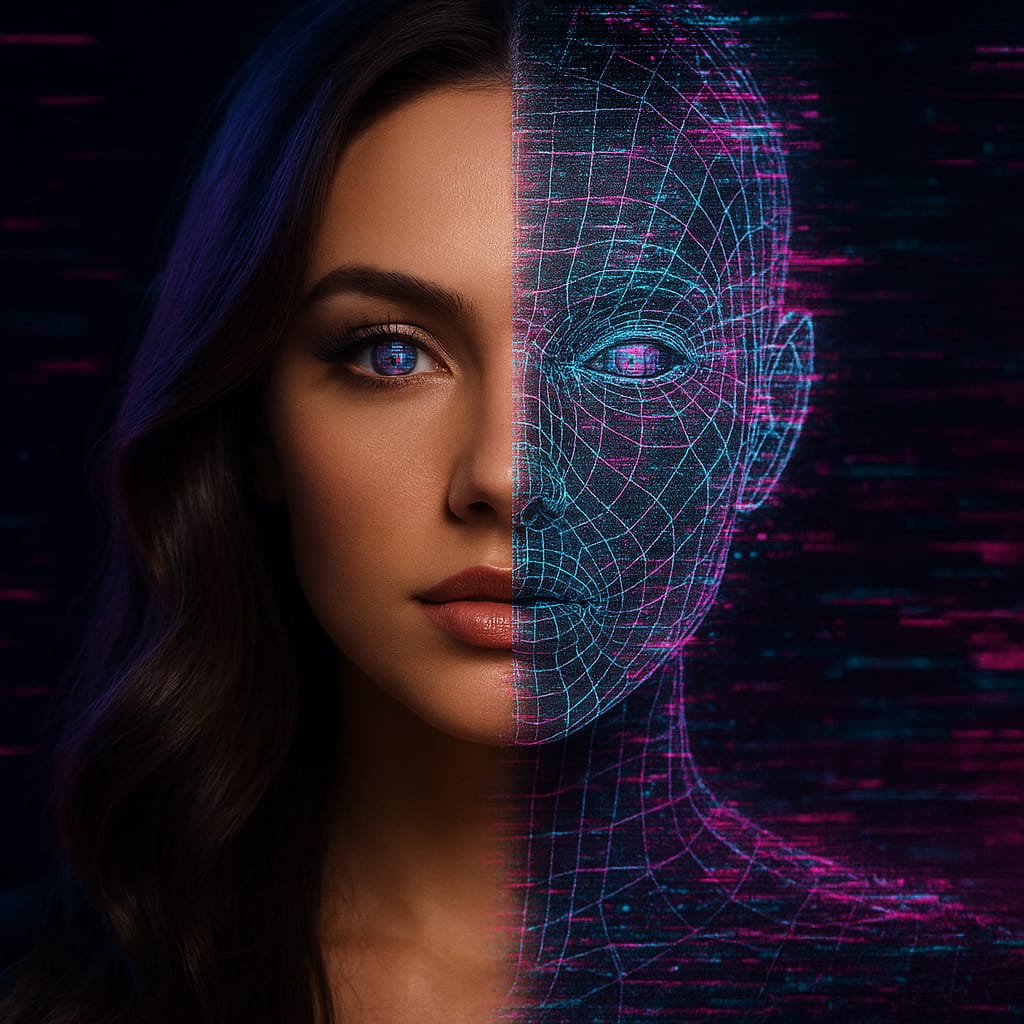
When synthetic content feels “real enough,” the penalty for not caring plummets. The Harvard Kennedy School analysis warns that even “harmless” synthetic media, at sufficient scale, erodes baseline trust in media-based information a slow-motion credibility collapse where the viewer’s first impulse is doubt and disengagement. Platforms now scramble to label, watermark, and regulate provenance FPF’s 2024 overview frames synthetic content as increasingly indistinguishable from human work and urges machine-readable markers and mandated disclosure because without origin signals, the feed becomes epistemically unusable.
The cultural cost is subtler: shared reference points decay when a large share of viral “moments” were never lived or witnessed, only generated. The collective memory turns into a procedural texture pack. Even YouTube’s shadowy long tail an ecosystem the BBC describes as an underworld beyond the algorithm’s guiding hand now coexists with industrialized AI content farms that dominate monetized surface space, changing what’s discoverable and what gets life support. If the canon is defined by distribution, and distribution is defined by synthetic optimization, authenticity becomes niche not because it’s rare, but because it’s less sortable.
The Future: Craving Authenticity or Drowning in Slop?
Two trajectories are already visible:
→ Platform hardening: Monetization gates, quality bars, and provenance labels YouTube’s crackdown is the template will reward human-led production and constrain automated volume, at least in paid tiers. Expect more “responsible AI” badges and trust signals as news audiences brace for synthetic floods.
→ Synthetic scale-up: The market projections $77B by 2034 imply continued industrialization: more virtual influencers, more auto-dubbed and localized videos, more “personalized” ads that are nobody’s personal expression. As tools improve, the “good enough” threshold keeps rising·.
There is a third option, faint but growing: a taste shift. As engagement nudges slip and audiences tire of procedural novelty, formats that foreground verifiable context, embodied presence, and non-interchangeable voice may reclaim margins longer retention in certain TikTok segments already suggests viewers reward depth when it survives the machine’s tests. Hybrid workflows AI for structure, humans for meaning consistently outperform on connection, even if automation wins on throughput.
But it won’t happen by accident. Without clear labeling, provenance infrastructure, and economic incentives that privilege human-led originality, the default equilibrium is slop: scalable, plausible, endlessly snackable. The algorithm can feed itself forever. The question is whether culture wants to keep eating.

In other words:
if everything can look real, reality becomes an aesthetic choice.
Choose carefully.
— Written by Shivam Shukla.